Player of the Month Dec-2025

Be the One
Play More to be the One
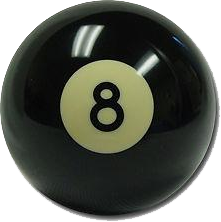 Eight Ball
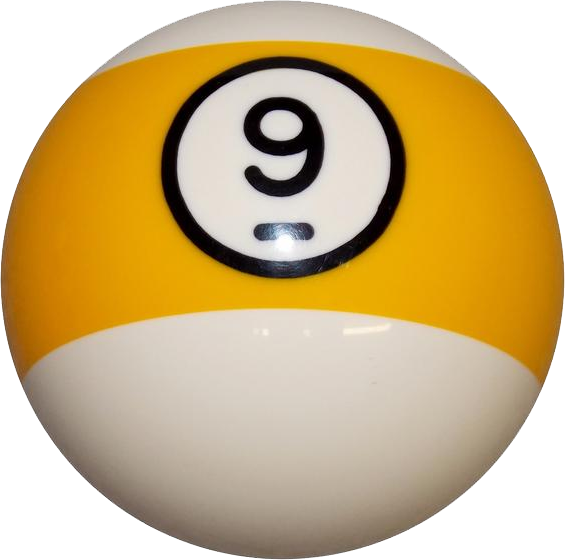 Nine Ball
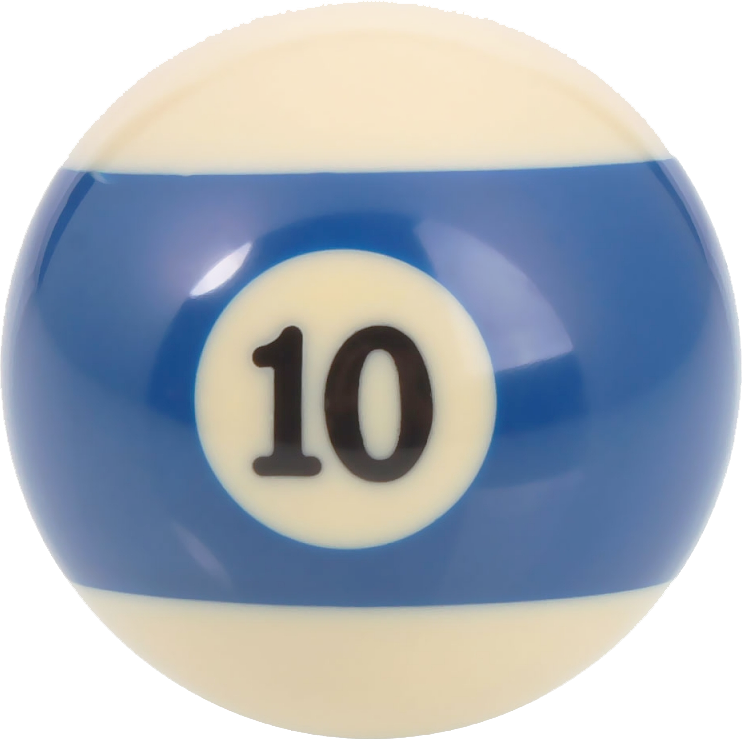 Ten Ball
8-Ball Pool is one of the most widely played cue sports in the world.It is a two - player game played with a cue ball and 15 numbered object balls: seven solids(1–7), seven stripes(9–15), and the black 8 - ball.The game requires precision, strategy, and control.
- Objective of the GameThe goal of 8-ball is to pocket all of your group of balls(either solids or stripes) and then legally pocket the 8 - ball to win the game.
- Game Setup
- Balls are racked in a triangle shape with the 8 - ball in the center.
- One solid and one striped ball must be in the bottom two corners of the rack.
- The cue ball is placed behind the head string for the break.
- The Break Shot
- A legal break requires at least four balls to hit the cushion, or a ball to be pocketed.
- If a player pockets a ball on the break, their turn continues, but they don’t claim a group(solids/ stripes) until they legally pocket one after the break.
- If the 8-ball is pocketed on the break, it’s either a win or a re - rack(based on house / tournament rules).
- Group Selection(Solids or Stripes)
- After the break, the first ball legally pocketed determines the player's group.
- Once groups are assigned, each player must pocket all of their group before attempting the 8 - ball.
- Rules of Play
- Players must always hit their own group first.
- A legal shot must:
- Strike the cue ball first,
- Hit a ball from the player’s group,
- Then pocket a ball or drive any ball to a rail.
- Combination shots are allowed, as long as the player's object ball is hit first.
- Fouls(e.g., scratching the cue ball, hitting the wrong group, or failing to contact a rail) result in ball -in-hand for the opponent.
- Winning the Game
- After clearing all their group balls, a player may aim for the 8-ball.
- The player must call the pocket before attempting to sink the 8 - ball(in most formal rules).
- The game is won when the 8-ball is legally pocketed into the called pocket.
- Fouls That Result in Loss of Game
- Pocketing the 8-ball before clearing your group.
- Pocketing the 8-ball in the wrong pocket.
- Scratching while attempting to pocket the 8-ball.
9-Ball Pool is one of the most popular and fast-paced cue sports, played with a cue ball and nine object balls numbered 1 through 9. It’s a rotation game, which means the balls must be hit in numerical order, starting with the lowest-numbered ball on the table.
- Objective of the GameThe main goal in 9-ball is to legally pocket the 9-ball. A player can win the game at any time by pocketing the 9-ball on a legal shot, provided the lowest-numbered ball was struck first.
- Game Setup
- Balls are racked in a diamond shape with the 1-ball at the front (apex), the 9-ball in the center, and the rest placed randomly.
- The cue ball is placed behind the head string for the opening break.
- The Break Shot
- The player must strike the 1-ball first and either pocket a ball or drive at least four object balls to a cushion.
- If the 9-ball is pocketed on the break, it is usually considered a win (depending on house rules).
- Rules of Play
- Players must always contact the lowest-numbered ball first.
- A shot is legal as long as the lowest ball is struck first and any ball is pocketed, or any ball (including the cue ball) contacts a rail afterward.
- Players can use combinations, caroms, or banks to pocket the 9-ball, as long as the shot begins with the lowest-numbered ball.
- Failing to hit the correct ball, committing a scratch, or sending no balls to a rail is considered a foul and gives the opponent ball-in-hand (free placement of the cue ball anywhere on the table).
- Winning a Rack
- The rack ends when a player legally pockets the 9-ball.
- Matches can be played as a series — e.g., first to 5 racks or race to 9 — depending on the format.
- Fouls and PenaltiesCommon fouls include:
- Failing to hit the lowest-numbered ball first.
- Scratching the cue ball (cue ball goes in a pocket).
- No ball contacts a rail after the cue ball hits the target.
- After a foul, the opponent is awarded ball-in-hand.
10-Ball Pool is a rotation-based cue sport played with ten numbered object balls (1–10) and a cue ball. It’s known for being more challenging and precise than 9-ball, and is commonly used in professional tournaments.
- Objective of the GameThe main objective is to legally pocket the 10-ball after contacting the lowest-numbered ball on the table. The first player to do this wins the rack.
- Game Setup
- Balls 1 to 10 are racked in a triangle shape (like 8-ball), with the 1-ball at the apex, the 10-ball in the center, and the rest placed randomly.
- The cue ball is placed behind the head string for the break.
- The Break Shot
- A legal break requires the cue ball to contact the 1-ball first and either pocket a ball or drive at least four object balls to the cushion.
- If the 10-ball is pocketed on the break, it does not result in a win; it is spotted back on the table, and the breaker continues.
- Call-Shot Requirement
- In 10-ball, all shots must be called, including combinations and the 10-ball.
- Flukes (lucky or uncalled shots) do not count. If an uncalled ball is pocketed, it is spotted, and the opponent takes over.
- Only the intended ball in the called pocket allows the shooter to continue.
- Rules of Play
- Players must strike the lowest-numbered ball first on every shot.
- Legal shots must either pocket the called ball or drive any ball to a cushion.
- Combinations, caroms, and banks are allowed, but the shot must still begin with the lowest-numbered ball and end with the called ball and pocket.
- Fouls and PenaltiesCommon fouls include:
- Failing to hit the lowest-numbered ball first
- No ball contacting a rail after impact
- Cue ball scratch (into a pocket)
- After a foul, the opponent gets ball-in-hand (place cue ball anywhere on the table).
- Winning the Game
- A player wins the rack by legally pocketing the 10-ball on a called shot after hitting the lowest-numbered ball first.
- The 10-ball may be pocketed via a combination, but only if properly called.
- Matches are usually played as a race (e.g., first to 5, 7, or 9 racks).